GBS Creative

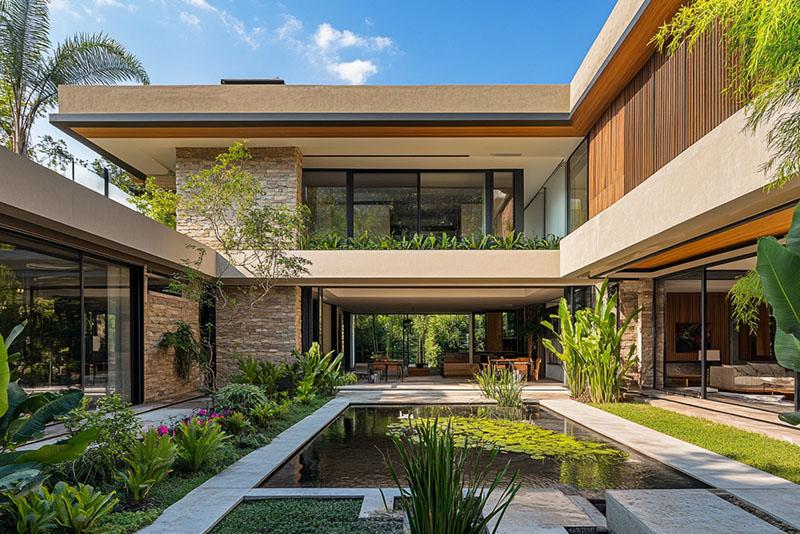
Serene architectural water feature with reflecting pool, landscaped garden and contemporary building

Welcoming Prosperity: The Architectural Impact of Serene Water Features

There is something calming about the sound of flowing water. A fountain beside an entrance, a koi pond tucked into a landscaped courtyard, or a reflecting pool beside a contemporary building can change the way an entire space feels. The architecture seems softer. The surroundings feel more peaceful. Even a simple outdoor area can become a place where people naturally pause and spend time. Water features have long been associated with tranquillity, beauty and prosperity. In modern architecture, however, their value goes beyond symbolism. When designed thoughtfully, they can improve the visual balance of a property, strengthen its connection with nature and create memorable outdoor experiences. Water feature design is about bringing architecture, water, landscape and lighting together to create a space that feels balanced, welcoming and purposeful. At GBS Creative Pvt. Ltd., based in Ranchi, Jharkhand and serving projects across India, aqua design and landscape planning can bring together fountains, ponds, swimming pools, lighting and surrounding finishes as part of a unified design approach. Why Water Features Make Such a Powerful Architectural Statement Imagine approaching a building and seeing a carefully designed fountain at its entrance. The water moves gently, the surrounding stonework complements the façade, and subtle lighting highlights the feature as evening approaches. The entrance immediately feels more considered. Water features can provide a focal point, introduce movement into static architecture and create a visual connection between buildings and their surroundings. They can also help establish a distinct identity for homes, hotels, resorts, commercial developments and public spaces. The most successful designs do not simply add water wherever space is available. They consider the building’s proportions, circulation, landscape, materials and intended atmosphere. A compact courtyard may benefit from a small wall fountain, while a spacious commercial entrance might accommodate a larger architectural water feature. The scale should feel appropriate to the property rather than competing with it. The Connection Between Water Features and Prosperity In many cultural traditions, flowing water represents abundance, renewal and positive energy. This association is particularly familiar in Vastu-inspired design, where the placement and movement of water are often considered when planning homes and outdoor environments. For homeowners who value these traditions, a fountain or pond may have symbolic significance in addition to its aesthetic appeal. However, prosperity should not be presented as a guaranteed outcome of installing a water feature. Its practical benefits depend on thoughtful design, appropriate placement, maintenance and how people experience the space. A well-planned water feature can make an entrance more inviting, create a peaceful garden retreat and enhance the overall presentation of a property. Those are tangible design benefits that can be enjoyed regardless of personal beliefs. Choosing the Right Water Feature for Your Property Different water features create different experiences. The best choice depends on the architecture, available space, budget and maintenance requirements. Architectural Fountains Architectural fountains are ideal when you want water to become a deliberate design statement. They can be placed near building entrances, in courtyards, beside reception areas or within landscaped gardens. Contemporary designs often use geometric forms, stone finishes and controlled water movement to complement modern architecture. For hotels, offices and commercial properties, a well-positioned fountain can help create a distinctive arrival experience. Koi Ponds and Reflecting Ponds A koi pond introduces a more natural character. Fish movement, reflections, planting and the sound of circulating water can make a garden feel alive without overwhelming its surroundings. Reflecting ponds offer a different effect. Their calm surfaces can mirror trees, façades and the sky, making them especially effective beside minimalist architecture or landscaped courtyards. Both require careful planning. Pond depth, filtration, water quality, circulation, fish welfare and maintenance access should be considered before construction. For inspiration, explore GBS Creative’s koi pond and aquascape design, which connects water features with the wider landscape. Water Walls and Cascading Features Water walls create a contemporary effect by allowing water to flow across a vertical surface. They can work well in entrance courtyards, garden boundaries, hotel lobbies and outdoor seating areas. Their vertical form can also help make compact spaces feel more designed without requiring a large pond. The sound of the water should suit the setting. A quiet residential courtyard may call for a gentle flow, while a larger public or hospitality environment may accommodate a more dramatic cascade. Swimming Pools and Integrated Water Features A swimming pool can become part of the architectural composition rather than a separate recreational addition. Infinity edges, integrated fountains, underwater lighting and carefully planned poolside landscaping can create a cohesive outdoor environment. GBS Creative’s swimming pool design and construction services provide a relevant starting point for projects where pool structures, finishes, filtration, lighting and surrounding outdoor areas need to work together. Where Should a Water Feature Be Placed? Placement can determine whether a water feature feels natural or out of place. At a residential entrance, it may establish a welcoming focal point. In a courtyard, it can create a centre around which planting and seating are arranged. In a hotel or commercial development, it may help visitors orient themselves while reinforcing the building’s identity. Before deciding on a location, consider: For people following Vastu principles, placement preferences may also influence the design. These should be considered alongside practical requirements, site conditions and applicable safety considerations. How Landscape Design Completes the Picture A fountain rarely looks its best when the surrounding landscape is treated as an afterthought. Planting, pathways, paving, seating and architectural details help establish the setting in which the water feature sits. For example, a modern building might pair a geometric fountain with structured planting, clean stone paving and restrained greenery. A villa garden could use natural stone, layered plants and a koi pond to create a softer atmosphere. The objective is to create visual harmony without making every element identical. GBS Creative’s landscape design approach brings planting, hardscape, outdoor features and lighting into the broader design conversation. This is particularly useful when a water feature needs to connect with a terrace, garden, swimming pool or building entrance. Architectural

Welcoming Prosperity: The Architectural Impact of Serene Water Features Read More »
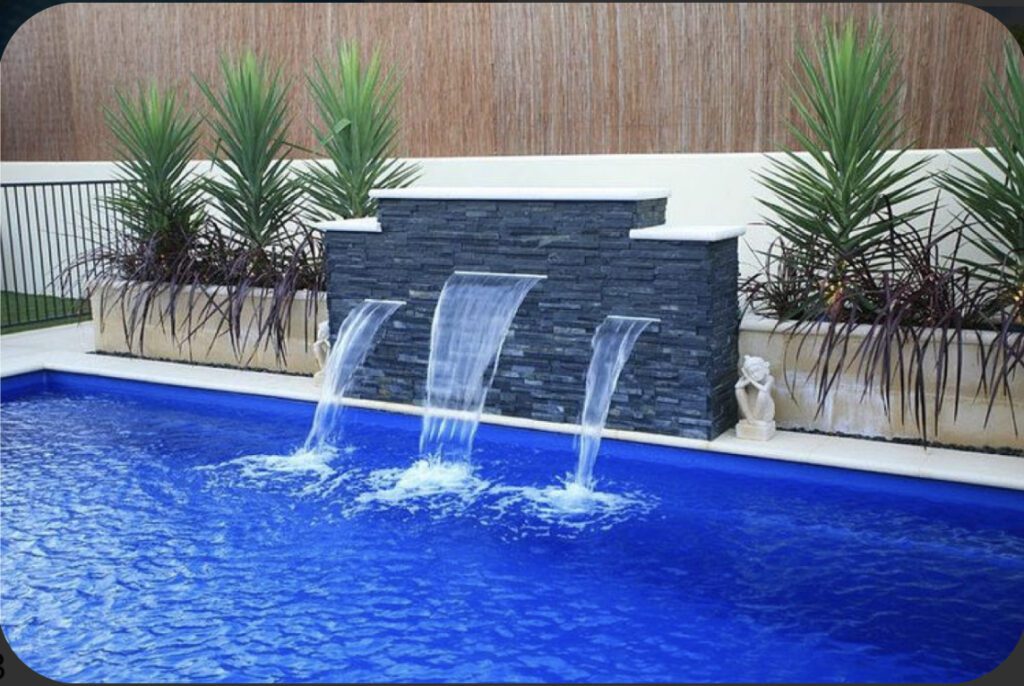
Architectural lighting and custom fountain illuminating a luxury building and landscaped courtyard

The Unsung Hero of High-End Design: Architectural Lighting and Custom Fountains

A building can be beautifully designed during the day and still feel completely different after sunset. The stone facade becomes more dramatic. A landscape gains depth. Water begins to reflect the surrounding architecture. A statue that looked ordinary in daylight can suddenly become the focal point of an entire space. What changed? The architecture did not. The lighting and water experience did. This is why architectural lighting and custom fountains are often the unsung elements of high-end design. They may not always be the first things people notice when a project is being planned, but they can completely change how a building, landscape, entrance, courtyard, hotel, institution, temple, commercial property or public space is experienced. At GBS Creative Pvt. Ltd., based in Ranchi, Jharkhand and working across India, lighting and water features are treated as part of a larger design ecosystem. Our work brings together architecture, interior design, landscape design, swimming pools, ponds, fountains, construction and lighting to create spaces that work as one complete experience. Why Lighting and Water Features Matter in High-End Design Luxury design is not simply about expensive materials. It is about creating an experience. A beautifully finished facade can look flat without the right illumination. A landscaped courtyard can feel incomplete without movement or sound. An entrance can become much more memorable when a custom fountain creates a visual and acoustic focal point. Lighting and water solve these problems in different but complementary ways. Lighting reveals. Water animates. Lighting highlights texture, depth, form and architectural details. Water introduces movement, reflection and sound. When the two are designed together, an ordinary space can become an immersive environment. Architectural Lighting: The Layer That Brings Buildings to Life Architectural lighting is much more than installing lights on a building. It is about deciding what should be seen, how it should be seen and what the building should communicate after dark. A facade might need subtle warm-white illumination to reveal stonework. A contemporary commercial building might benefit from clean linear lighting. A monument may require carefully controlled uplighting. A temple or heritage structure may need a combination of warm architectural illumination and dynamic RGBW lighting for special occasions. The lighting strategy changes according to the architecture. GBS Creative’s architectural lighting solutions are designed for applications including building facades, institutions, heritage structures, campuses, civic spaces, monuments, landscapes and public infrastructure. Its lighting approach combines visual impact with outdoor reliability, precision optics and flexible installation. Facade Lighting Can Change the Identity of a Building A facade is the face of a building. During daylight, its identity comes from materials, proportions, windows, textures and architectural details. At night, lighting becomes responsible for revealing those elements. Effective facade lighting can create: GBS Creative’s Arcus Prime architectural facade lighting solution is designed for applications requiring controlled architectural illumination, with RGBBW colour capability, IP66/IP67 outdoor protection, precision optics and flexible installation options. The objective is not to make every part of a building equally bright. It is to make the right parts visible. From Homes to Heritage Buildings, Every Structure Needs a Different Lighting Language Architectural lighting is not restricted to luxury residences. It can transform: Residential Villas Lighting can highlight facades, entrances, gardens, balconies, pathways, pools and outdoor living areas. Hotels and Resorts Lighting helps create a welcoming arrival experience while extending the usable atmosphere into outdoor dining, pools, gardens and leisure areas. Hospitals and Institutions Here, lighting must balance aesthetics with safety, navigation, comfort and reliability. Temples and Religious Buildings Lighting needs to respect architectural character while highlighting domes, columns, carvings and other details. Heritage Structures and Monuments The goal is generally to reveal architectural craftsmanship without overpowering the historical character of the structure. Campuses and Commercial Properties Lighting can strengthen identity while improving movement, safety and nighttime visibility. Railway Stations and Public Infrastructure Large public environments require careful attention to durability, visibility, operational requirements and maintenance. GBS Creative’s architectural lighting portfolio reflects this wider application of lighting across buildings, monuments, campuses, civic environments and public infrastructure. Custom Fountains: When Water Becomes Architecture A fountain should not simply be considered a decorative water feature. A well-designed custom fountain can become part of the architecture itself. Think about the entrance of a hotel. Instead of arriving at a plain driveway, visitors approach through a landscaped entrance where water moves gently across a sculptural fountain. Light catches the moving surface after sunset. The sound of water creates a softer transition between the road and the building. That fountain has become part of the identity of the property. GBS Creative’s Aqua Designs cover sculptural water features, fountains, ponds, swimming pools and related water systems, with attention to hydraulic design, filtration, lighting, finish materials, automated controls and water management. The Right Fountain Depends on the Space There is no single fountain style that works everywhere. A compact courtyard may benefit from a quiet bubbling feature. A luxury hotel entrance may need a large architectural fountain. A public plaza might use a programmable water installation. A landscaped garden may suit a natural-looking cascading feature. A commercial property may require a fountain that works as a strong visual landmark. The design should consider: The fountain should feel as though it belongs to the architecture rather than being placed there afterward. Lighting + Fountain Design: Where the Magic Happens This is where the two disciplines become particularly powerful. Imagine a fountain during the day. You see water moving. Now imagine the same fountain after sunset. Warm light catches the edges of the water. Reflections move across nearby walls. The fountain becomes visible from a distance. The sound of water remains constant while the lighting changes the visual character. This is why fountain lighting should be considered during fountain design, not after construction. The position of underwater lights, beam angles, water jets, fountain materials and viewing points all influence the final effect. GBS Creative’s aqua approach specifically considers lighting alongside hydraulic systems, filtration and finishes, helping water features function as both engineered systems and visual elements. Pools, Ponds and Fountains

The Unsung Hero of High-End Design: Architectural Lighting and Custom Fountains Read More »

7 Summer Swimming Pool Maintenance Tips for Crystal Clear Water

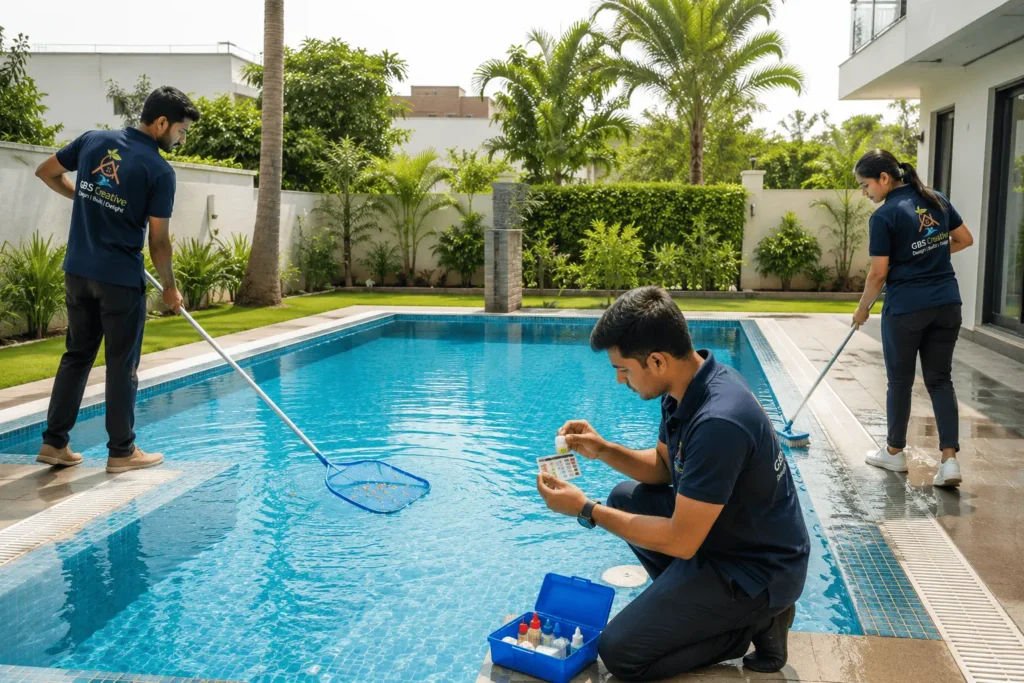
Summer and swimming pools go hand in hand. The long hot days, the laughter of family and friends, the cool water catching the afternoon light. There is nothing quite like a well-maintained pool when the season is at its peak. But here is what most pool owners discover a little too late. Summer is also the harshest season for your pool. Rising temperatures, more swimmers in the water, UV radiation, dust, and humidity all put pressure on your pool’s chemistry, filtration system, and structure. Without a regular summer maintenance routine, you end up with cloudy water, algae, worn-out equipment, and a pool that looks nothing like the investment it is. At GBS Creative, we design and build swimming pools, aquascapes, and water features across Jharkhand and Bihar, and we maintain them to the same standard. This guide covers what our team does every summer so you can protect your pool, extend its life, and actually enjoy it all season. Why Summer is Harder on Your Pool Than Any Other Season Most pool problems do not happen suddenly. They build up slowly because of heat and neglect together. Here is why summer specifically raises the stakes: Understanding these factors is the first step to staying ahead of them. The seven areas below form a complete swimming pool maintenance plan for summer. 1. Keep Your Water Chemistry in Check Water chemistry is the single most important part of swimming pool maintenance. Get it right and everything else becomes easier. Let it slip and no amount of cleaning will fix the problem. Target ranges to maintain in summer: Parameter Ideal Range Risk if Off pH 7.2 to 7.6 Skin irritation, ineffective chlorine Free Chlorine 1 to 3 ppm Bacteria, algae, waterborne illness Total Alkalinity 80 to 120 ppm pH instability, scaling or corrosion Cyanuric Acid 30 to 50 ppm Fast chlorine loss in sunlight Calcium Hardness 200 to 400 ppm Scaling on surfaces or surface damage Total Dissolved Solids Below 2000 ppm Cloudy water, chemical resistance During peak summer, test your pool water at least three times a week, or daily if the pool gets heavy use. Use a digital test kit rather than basic strips, which can give inconsistent readings. Add chemicals in small amounts, let the water circulate, and re-test before adding more. One tip from GBS Creative: always adjust total alkalinity before pH. Alkalinity acts as a buffer and makes it much easier to hold your target pH range once it is set. 2. Set Up a Daily and Weekly Cleaning Routine Good water chemistry alone cannot make up for physical dirt in the pool. Leaves, insects, and sunscreen residue eat through chlorine fast and feed algae. A consistent cleaning routine matters year-round but becomes critical in the Ranchi and Patna summer. Daily tasks: Weekly tasks: For aquascape installations with natural stone, plants, or koi ponds, cleaning routines need to be adjusted for each element. GBS Creative provides a specific maintenance schedule for every project we deliver. 3. Push Your Filtration System Harder in Summer Your pool’s filtration system is what keeps the water moving and clean. In summer, it has to work much harder than the rest of the year. What to do: When GBS Creative designs a pool, we size the hydraulic layout so the pump handles full water turnover efficiently. This means lower energy use and better filtration from day one. 4. Stop Algae Before It Starts Algae is the most common and most preventable summer pool problem. It turns water green, clouds visibility, makes surfaces slippery, and burns through chlorine rapidly. Once it takes hold, fixing it takes shock treatment, extended filtration, and a lot of effort. Prevention is far easier. Yellow algae and black algae are much harder to deal with than green algae and need different treatments. If you see unusual discolouration on pool walls, deal with it within 24 hours. 5. Watch Your Water Level Through the Season In summer, an uncovered pool can lose 2 to 3 centimetres of water per week just through evaporation, and more in dry or windy conditions in places like Ranchi. This affects more than just the water volume. Dropping levels reduce skimmer efficiency, expose pool tiles to direct sun, and can damage your pump if the level falls below the skimmer mouth. 6. Look After the Space Around Your Pool Too A GBS Creative pool is not just water in a shell. It is the centrepiece of a designed outdoor space. The landscape, water features, lighting, and stonework around it all connect to how the pool performs and what it costs to maintain. Planting: Choose plants that do not shed leaves or flowers into the pool. Native grasses, shaped hedges, and low-maintenance groundcovers work well. Our landscape design team in Ranchi and Patna can advise on pool-friendly options. Water features: Fountains, waterfalls, and jets improve aeration and help chemicals distribute, but they also speed up evaporation. Check nozzles and jets every week for blockages or mineral build-up. Koi ponds and ornamental water bodies: If your aquascape includes these alongside your pool, keep the biofilter maintained. Stagnant water nearby can breed algae and mosquitoes that affect the whole space. Lighting: Inspect pool-adjacent lighting at the start of each season. Water getting into light fittings is both a safety risk and a maintenance problem. GBS Creative’s underwater LED lights are sealed and rated for full submersion, but external landscape lights should be checked each year. Pool deck and surround: Stone and tiled surfaces expand and contract in summer heat. Check grout lines and joints for cracking, as this can let water into the structure underneath. 7. Get a Mid-Season Check Done by a Professional Owner-level maintenance is essential but has limits. A professional mid-season service can catch things that are not visible to the untrained eye, including early equipment wear, structural hairline cracks, chemical imbalances that test strips miss, and inefficiencies in the hydraulic system. GBS Creative’s swimming pool maintenance service covers: We serve clients across Ranchi,

7 Summer Swimming Pool Maintenance Tips for Crystal Clear Water Read More »

A Swimming Pool is More Affordable Than You Think

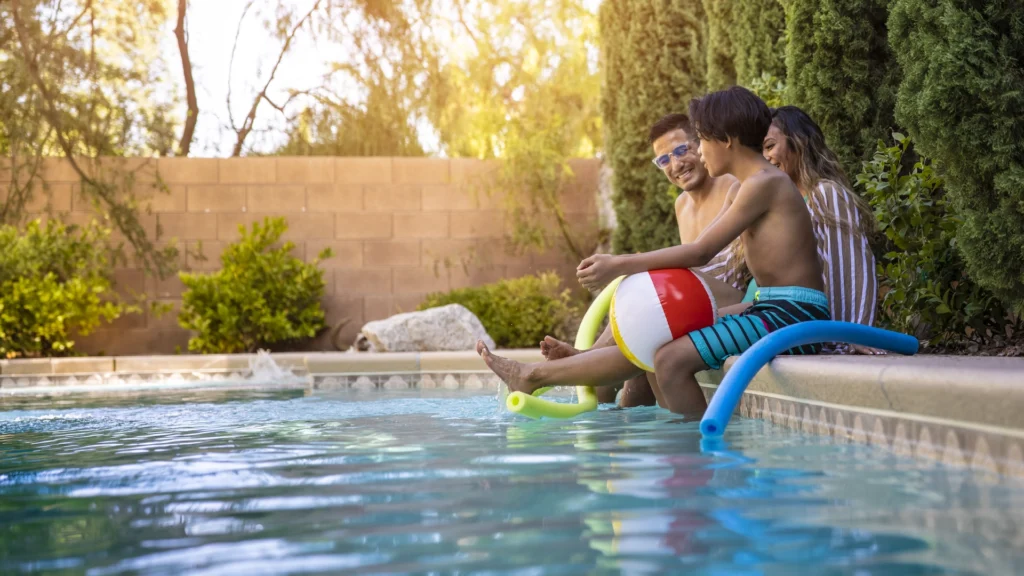
Close your eyes and picture a swimming pool. What do you see? Usually a sprawling villa, a five-star resort, or a celebrity home on a magazine cover. For most families in Ranchi, Patna, and across Bihar, a pool feels like it belongs in the “other people” category; beautiful, but out of reach. That thinking is completely understandable. It has been shaped by decades of seeing pools only in lavish settings, backed by assumptions about land, money, and upkeep. But at GBS Creative, we have built pools for homes of all sizes and budgets across Jharkhand and Bihar. We have heard every hesitation, and it is time to talk about what is actually possible. A pool is not a luxury reserved for the wealthy. It is a choice more families can make than they realise. Can You Build a Swimming Pool on a Small Plot in Ranchi? The fear: A pool will take up my entire plot. The reality: You can build a functional pool in as little as 150 to 200 sq. ft. A pool does not compete with your land, it transforms it. We often see flat rooftops in Ranchi sitting empty for years, used only for drying clothes. A rooftop pool changes that completely,  a private space shielded from street noise with a view of the city. Compact options that fit almost anywhere: How Much Does a Swimming Pool Actually Cost in India? The fear: Construction costs a fortune and the bills will never stop. The reality: Modern technology has made pools more affordable than most people assume. To put things in perspective, a mid-range car in India costs between 10 and 20 lakhs and loses value every year. A pool is a lasting family asset that adds to your property value. Pool Type Estimated Cost (INR) Plunge / Compact Pool 8 to 15 Lakhs Standard Residential Pool 15 to 30 Lakhs Rooftop Pool (with structure) 15 to 35 Lakhs Swim Spa / Prefab 5 to 12 Lakhs With energy-efficient pumps and automated systems, a standard residential pool costs around Rs. 3,000 to 6,000 per month to run. That is often less than what a family spends on dining out and streaming subscriptions. Is a Home Pool Safe? What Every Family in Patna Should Know The fear of an accident is valid. But the answer is management, not avoidance. A safe pool is an engineered pool. At GBS Creative, every pool we design and build in Ranchi, Patna, and across Bihar comes with safety built in from day one. Standard safety features we include: How Much Time Does Pool Maintenance Actually Take? The image of a pool owner scrubbing tiles for hours every weekend is outdated. With full automation, your weekly involvement can be as little as 10 to 15 minutes. What Does a Pool Actually Give Your Family? Beyond the logistics, think about what a pool means day to day: GBS Creative has been designing and building swimming pools, water features, landscapes, and interiors since 2014. Across 250+ projects in Ranchi, Patna, Dhanbad, and other cities in Jharkhand and Bihar, we have seen firsthand how a well-built pool changes how a family uses and feels about their home. Talk to GBS Creative: It Starts with One Conversation You do not need a massive budget or a bungalow to own a pool. You just need the right team and the willingness to ask what is possible. Get in touch with GBS Creative today. We will look at your plot, your budget, and what your family actually needs, and then tell you honestly what we can build together.Explore our pool types or see our pool services to get started.

A Swimming Pool is More Affordable Than You Think Read More »