GBS Creative

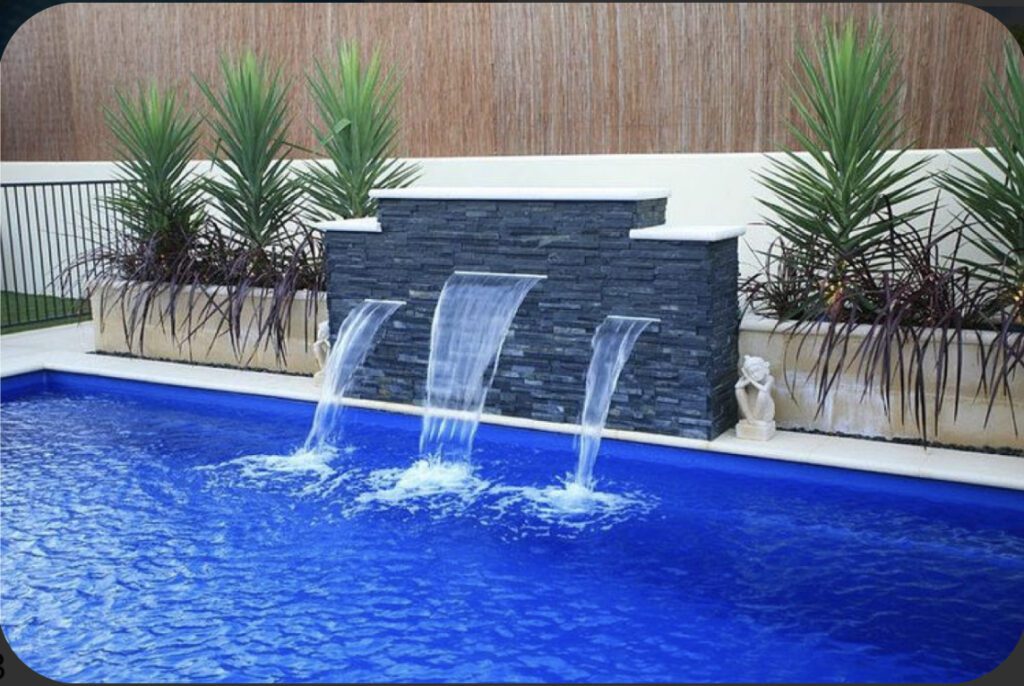
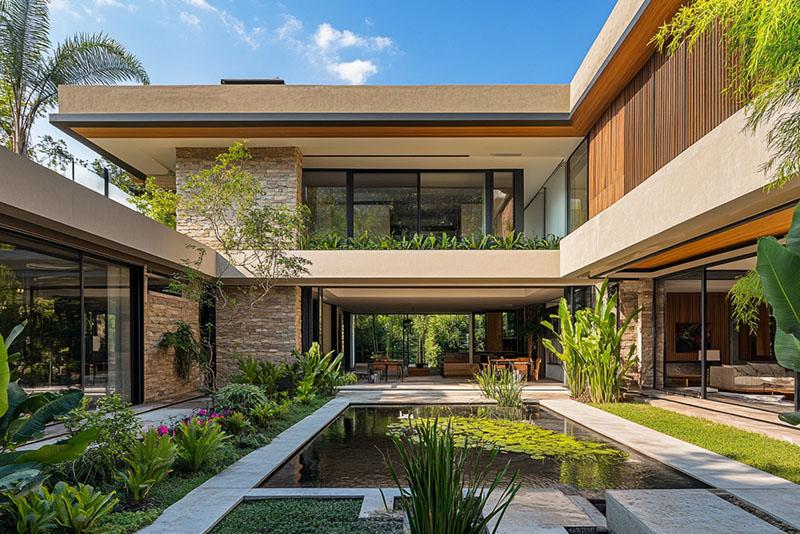
Serene architectural water feature with reflecting pool, landscaped garden and contemporary building

Welcoming Prosperity: The Architectural Impact of Serene Water Features

There is something calming about the sound of flowing water. A fountain beside an entrance, a koi pond tucked into a landscaped courtyard, or a reflecting pool beside a contemporary building can change the way an entire space feels. The architecture seems softer. The surroundings feel more peaceful. Even a simple outdoor area can become a place where people naturally pause and spend time. Water features have long been associated with tranquillity, beauty and prosperity. In modern architecture, however, their value goes beyond symbolism. When designed thoughtfully, they can improve the visual balance of a property, strengthen its connection with nature and create memorable outdoor experiences. Water feature design is about bringing architecture, water, landscape and lighting together to create a space that feels balanced, welcoming and purposeful. At GBS Creative Pvt. Ltd., based in Ranchi, Jharkhand and serving projects across India, aqua design and landscape planning can bring together fountains, ponds, swimming pools, lighting and surrounding finishes as part of a unified design approach. Why Water Features Make Such a Powerful Architectural Statement Imagine approaching a building and seeing a carefully designed fountain at its entrance. The water moves gently, the surrounding stonework complements the façade, and subtle lighting highlights the feature as evening approaches. The entrance immediately feels more considered. Water features can provide a focal point, introduce movement into static architecture and create a visual connection between buildings and their surroundings. They can also help establish a distinct identity for homes, hotels, resorts, commercial developments and public spaces. The most successful designs do not simply add water wherever space is available. They consider the building’s proportions, circulation, landscape, materials and intended atmosphere. A compact courtyard may benefit from a small wall fountain, while a spacious commercial entrance might accommodate a larger architectural water feature. The scale should feel appropriate to the property rather than competing with it. The Connection Between Water Features and Prosperity In many cultural traditions, flowing water represents abundance, renewal and positive energy. This association is particularly familiar in Vastu-inspired design, where the placement and movement of water are often considered when planning homes and outdoor environments. For homeowners who value these traditions, a fountain or pond may have symbolic significance in addition to its aesthetic appeal. However, prosperity should not be presented as a guaranteed outcome of installing a water feature. Its practical benefits depend on thoughtful design, appropriate placement, maintenance and how people experience the space. A well-planned water feature can make an entrance more inviting, create a peaceful garden retreat and enhance the overall presentation of a property. Those are tangible design benefits that can be enjoyed regardless of personal beliefs. Choosing the Right Water Feature for Your Property Different water features create different experiences. The best choice depends on the architecture, available space, budget and maintenance requirements. Architectural Fountains Architectural fountains are ideal when you want water to become a deliberate design statement. They can be placed near building entrances, in courtyards, beside reception areas or within landscaped gardens. Contemporary designs often use geometric forms, stone finishes and controlled water movement to complement modern architecture. For hotels, offices and commercial properties, a well-positioned fountain can help create a distinctive arrival experience. Koi Ponds and Reflecting Ponds A koi pond introduces a more natural character. Fish movement, reflections, planting and the sound of circulating water can make a garden feel alive without overwhelming its surroundings. Reflecting ponds offer a different effect. Their calm surfaces can mirror trees, façades and the sky, making them especially effective beside minimalist architecture or landscaped courtyards. Both require careful planning. Pond depth, filtration, water quality, circulation, fish welfare and maintenance access should be considered before construction. For inspiration, explore GBS Creative’s koi pond and aquascape design, which connects water features with the wider landscape. Water Walls and Cascading Features Water walls create a contemporary effect by allowing water to flow across a vertical surface. They can work well in entrance courtyards, garden boundaries, hotel lobbies and outdoor seating areas. Their vertical form can also help make compact spaces feel more designed without requiring a large pond. The sound of the water should suit the setting. A quiet residential courtyard may call for a gentle flow, while a larger public or hospitality environment may accommodate a more dramatic cascade. Swimming Pools and Integrated Water Features A swimming pool can become part of the architectural composition rather than a separate recreational addition. Infinity edges, integrated fountains, underwater lighting and carefully planned poolside landscaping can create a cohesive outdoor environment. GBS Creative’s swimming pool design and construction services provide a relevant starting point for projects where pool structures, finishes, filtration, lighting and surrounding outdoor areas need to work together. Where Should a Water Feature Be Placed? Placement can determine whether a water feature feels natural or out of place. At a residential entrance, it may establish a welcoming focal point. In a courtyard, it can create a centre around which planting and seating are arranged. In a hotel or commercial development, it may help visitors orient themselves while reinforcing the building’s identity. Before deciding on a location, consider: For people following Vastu principles, placement preferences may also influence the design. These should be considered alongside practical requirements, site conditions and applicable safety considerations. How Landscape Design Completes the Picture A fountain rarely looks its best when the surrounding landscape is treated as an afterthought. Planting, pathways, paving, seating and architectural details help establish the setting in which the water feature sits. For example, a modern building might pair a geometric fountain with structured planting, clean stone paving and restrained greenery. A villa garden could use natural stone, layered plants and a koi pond to create a softer atmosphere. The objective is to create visual harmony without making every element identical. GBS Creative’s landscape design approach brings planting, hardscape, outdoor features and lighting into the broader design conversation. This is particularly useful when a water feature needs to connect with a terrace, garden, swimming pool or building entrance. Architectural

Welcoming Prosperity: The Architectural Impact of Serene Water Features Read More »
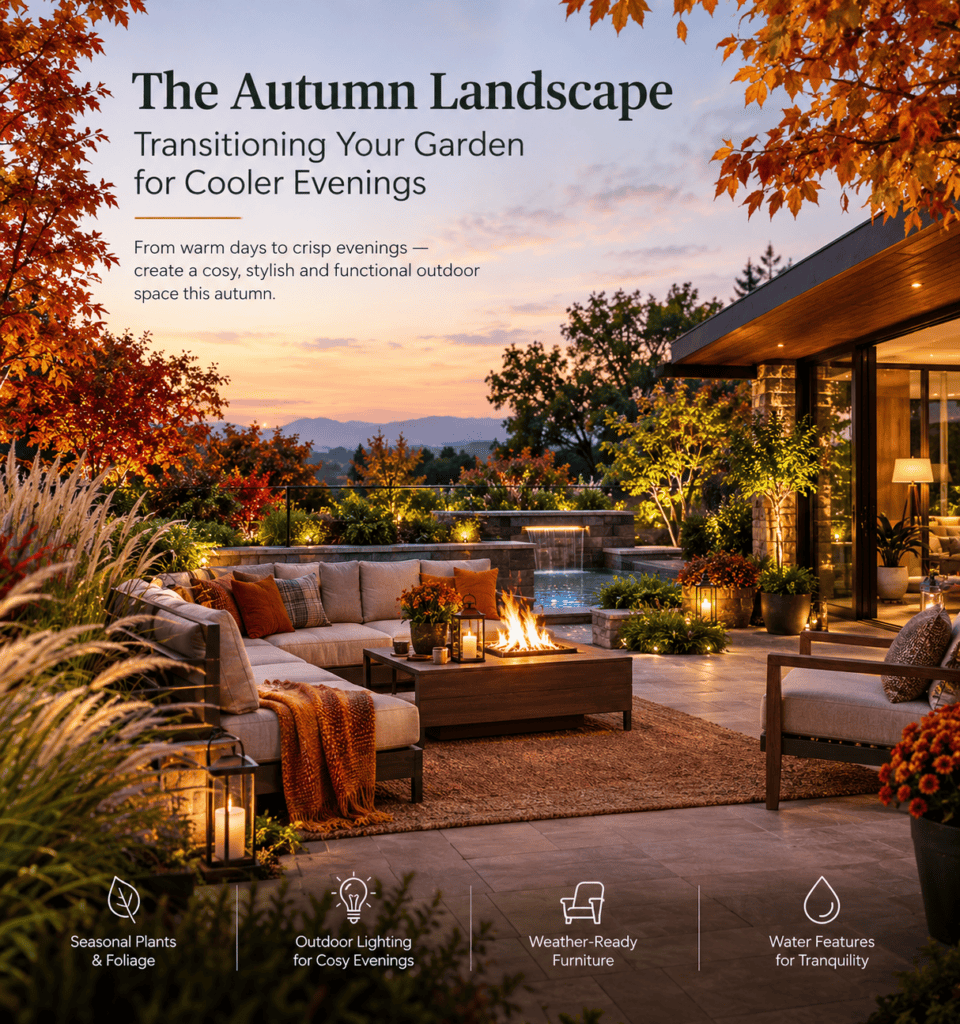
Autumn landscape design with a cosy outdoor lounge, seasonal foliage, warm garden lighting and a water feature

The Autumn Landscape: Transitioning Your Garden for Cooler Evenings

There is something special about spending time in a garden as the weather begins to cool. The afternoon heat starts to ease. The evening breeze feels more comfortable. Outdoor seating becomes inviting again, and a garden that was once appreciated mainly for its appearance becomes a place where people genuinely want to spend time. But a garden does not automatically become autumn-ready when the temperature changes. Plants may need attention, outdoor furniture may need rearranging, lighting becomes more important as evenings arrive, and certain areas may benefit from a little redesign. Autumn landscape design is about making your outdoor space more comfortable, functional and beautiful as the seasons change. Whether you are planning a private garden, a luxury villa landscape, a hotel courtyard, a rooftop terrace or a commercial outdoor space, a few thoughtful changes can make a remarkable difference. At GBS Creative Pvt. Ltd., landscape design is part of a broader approach that brings together outdoor spaces, architecture, lighting, water features and functional design. The aim is to create environments that look beautiful while working well for the people who use them. Begin With a Garden That Reflects the Season The first step is to understand what your garden needs as the weather changes. Some plants may continue growing well, while others may need pruning, protection or a change in watering frequency. Fallen leaves, dry branches and fading seasonal plants can also affect the overall appearance of the landscape. Start with a simple assessment. The goal is not to redesign everything. Sometimes, a little maintenance and a few carefully chosen additions are enough to make a garden feel refreshed. For properties in Ranchi and other parts of India, seasonal planning should reflect the local climate rather than follow a fixed autumn calendar. Plant growth, rainfall and temperature can vary considerably between regions. Choose Plants for Colour, Texture and Year-Round Interest A garden should remain interesting even when the dominant flowering season changes. This is where thoughtful planting becomes important. Instead of depending entirely on flowers, combine different leaf shapes, plant heights, textures and shades of green. Ornamental grasses, evergreen shrubs, seasonal flowers and suitable small trees can create depth without making the landscape feel overly busy. For a more layered effect, consider three levels of planting: In regions where autumn foliage colour is less pronounced, texture and light can create the same seasonal atmosphere. Bronze-toned foliage, warm-coloured planters, natural stone and subtle garden lighting can introduce autumn-inspired character without relying on plants that are unsuitable for the climate. Choose species according to local conditions, sunlight, soil, water availability and maintenance requirements. A beautiful planting plan should remain practical long after installation. Make Outdoor Seating the Heart of the Garden Cooler evenings create an opportunity to use outdoor spaces more often. A quiet garden corner can become a reading spot. A terrace can become an evening lounge. A courtyard can accommodate family gatherings or informal conversations. Start by deciding how you want to use the space. Would you prefer a private seating area surrounded by greenery? A dining space close to the house? A lounge overlooking a swimming pool? Or a shaded corner where guests can relax after dinner? Once the purpose is clear, choose seating, tables and accessories accordingly. Comfortable outdoor furniture, weather-appropriate cushions, side tables and a pergola can make the space more inviting. Keep enough room for movement, and position seating to take advantage of garden views rather than simply filling available space. GBS Creative’s terrace gardening and lounge solutions combine elements such as planting, pergolas, outdoor seating, lighting, decks, waterproofing and drainage. This integrated approach can help turn an underused terrace into a functional extension of the building. Use Warm Lighting to Extend the Evening As daylight fades, lighting becomes one of the most important elements of a successful garden. The objective is not to illuminate every corner equally. It is to create layers of light that support movement, highlight important features and establish a comfortable atmosphere. Consider these applications: Warm-toned light often works well for relaxed evening settings, although the best colour temperature depends on the materials, planting and overall design. Outdoor fixtures should also be selected for their intended exposure and installed with appropriate electrical protection. For GBS Creative, lighting is an important connection between architecture and landscape. When planned alongside the garden, it can help the entire property feel cohesive rather than leaving the outdoor space dark once the interior lights come on. Bring Water Into the Landscape Few elements create a relaxing garden atmosphere quite like water. A small fountain can introduce gentle movement and sound. A reflective pond can provide a focal point. A swimming pool can turn a garden into a resort-inspired outdoor environment. The right feature depends on the available space, design style, maintenance capacity and intended use. For a compact courtyard, a modest fountain may be more suitable than a large water installation. A spacious villa garden might accommodate a pond, a pool or a cascading water feature. A hospitality property may benefit from a larger focal feature designed around visitor movement and evening views. Water features also require practical planning. Filtration, circulation, waterproofing, drainage, access for maintenance and appropriate lighting should be considered before installation. GBS Creative’s aqua-design and landscape capabilities bring these elements together so that pools, ponds, fountains and surrounding greenery can form part of a coordinated outdoor design. Add Natural Materials for Seasonal Warmth Autumn-inspired landscapes often feel inviting because they use materials that look and feel natural. Stone, timber, textured paving, gravel and carefully selected outdoor fabrics can add warmth without requiring major changes to the garden. A stone pathway can create a stronger connection between the house and a seating area. Timber detailing can soften a contemporary terrace. Natural-toned planters can complement seasonal planting. The key is consistency. Choose a restrained material palette that works with the building’s exterior and existing landscape. Repeating one or two materials across pathways, planters and seating areas often creates a more considered result than introducing

The Autumn Landscape: Transitioning Your Garden for Cooler Evenings Read More »

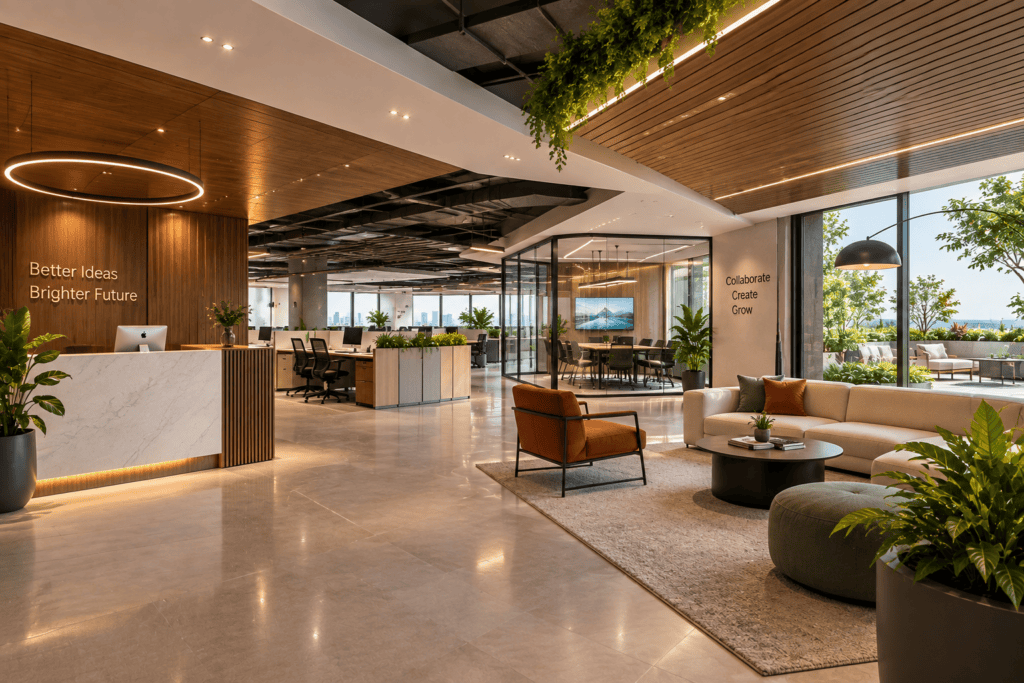
Modern commercial office interior with reception, workspaces, meeting room, greenery and contemporary lighting

Elevating Workspace Aesthetics: How Commercial Interior Design Drives Success

Walk into a well-designed office and you notice it almost immediately. The reception feels welcoming. The lighting is comfortable. The furniture seems to belong exactly where it is. People move naturally through the space. Meeting rooms feel professional without feeling cold. Even the small details—from materials and colours to acoustics and greenery—seem intentional. Now imagine the opposite. A cramped reception, harsh lighting, confusing circulation, mismatched furniture and meeting rooms that feel disconnected from the rest of the workplace. Both spaces may have the same number of desks and computers. But they create completely different experiences. That is why commercial interior design is about much more than making an office look attractive. A well-designed workspace can influence how people work, how clients perceive a business, how teams interact and how a brand expresses itself every day. At GBS Creative Pvt. Ltd., based in Ranchi, Jharkhand and serving projects across India, commercial interior design is approached as a combination of aesthetics, functionality and practical execution. The company works on corporate workspaces and lifestyle environments, designing layouts that support flow and functionality while carefully selecting materials, finishes and lighting. What Makes Commercial Interior Design Different? A home is designed around personal comfort. A commercial space has to serve many people, many activities and often many different purposes at the same time. An office might need: Every zone has a different function. The challenge is making all of them feel like parts of the same workplace. This is where professional commercial interior design becomes valuable. The designer has to understand how people move, where conversations happen, where privacy is required, how natural light enters the building, how technology will be used and how the space should represent the company. Your Office Is Part of Your Brand Before a client speaks with your team, they may already have an impression of your company. The reception area is often their first physical interaction with your brand. A thoughtfully designed reception can communicate professionalism, confidence and attention to detail without saying a word. Materials, lighting, furniture, colours, signage and spatial proportions can all contribute to that impression. A technology company might prefer a contemporary environment with flexible collaboration zones. A financial or legal firm may require a more refined and formal atmosphere. A creative agency may use colour, artwork, open spaces and unconventional furniture to express its personality. There is no single formula. The important thing is that the physical environment should feel consistent with the organisation behind it. Functionality Should Come Before Decoration Beautiful furniture cannot fix a badly planned workspace. Before choosing colours or decorative elements, commercial interior design needs to answer practical questions. Where should employees sit? How easily can teams communicate? Where should private conversations happen? How far is the meeting room from the main work area? Where will visitors wait? Is there enough storage? Can the workspace adapt when the company grows? How will electrical points, networking, lighting and other infrastructure be integrated? These decisions shape the everyday experience of the workplace. A strong commercial interior therefore begins with planning, not decoration. Space Planning Can Change How a Business Works Two offices with the same floor area can feel completely different. One may feel crowded and inefficient. The other may feel open, organized and comfortable. The difference is often space planning. Good planning considers circulation, furniture placement, work zones, meeting areas, privacy and the relationship between departments. For example, teams that collaborate frequently may benefit from proximity to shared meeting or breakout spaces. Departments requiring concentration may need quieter zones. Senior offices may require privacy while still remaining accessible. Reception should be easy to locate without disrupting working areas. When these relationships are planned properly, the workplace becomes easier to navigate and use. Lighting Is More Than a Design Feature Lighting can completely change the character of a commercial interior. A poorly lit office can feel tiring and uncomfortable. A well-planned lighting system can make the same space feel brighter, calmer and more sophisticated. Commercial lighting needs to consider both appearance and function. Workstations need appropriate task lighting. Meeting rooms need flexibility. Reception areas may use decorative lighting to establish the first impression. Corridors require safe and comfortable illumination. Feature lighting can highlight architectural details or brand elements. At GBS Creative, lighting is treated as an important layer of interior and architectural design. The company’s lighting solutions include indoor and outdoor applications, accent lighting, architectural illumination and smart lighting systems designed to enhance both atmosphere and functionality. The best lighting is rarely the lighting you notice first. It is the lighting that makes the entire space feel right. Materials Create the Personality of a Workspace Materials can make a workplace feel warm, sophisticated, modern, energetic or understated. Wood can introduce warmth. Stone can create a sense of permanence. Glass can increase visual openness. Metal can add a contemporary edge. Textured surfaces can provide depth. Soft furnishings can improve comfort and acoustics. But commercial interiors also have to deal with much more wear and tear than many residential spaces. Materials therefore need to balance appearance with durability, maintenance and long-term performance. The most beautiful material is not necessarily the right material if it cannot handle the demands of the environment. Employee Experience Matters An office is ultimately designed for people. Employees may spend a significant portion of their day inside the workplace, so comfort should be part of the design conversation. Natural light, comfortable furniture, sensible circulation, acoustic control, greenery and access to informal spaces can all influence how a workplace feels. This does not mean every office needs a lounge, cafe and recreational area. It means the design should understand the people who will actually use it. A software development team may need quiet concentration zones and collaboration spaces. A sales team may require meeting areas and client-facing rooms. A creative studio may benefit from flexible spaces that can change throughout the day. The workplace should respond to the work. Flexible Spaces Are Becoming More Valuable Businesses change. Teams grow. Departments

Elevating Workspace Aesthetics: How Commercial Interior Design Drives Success Read More »

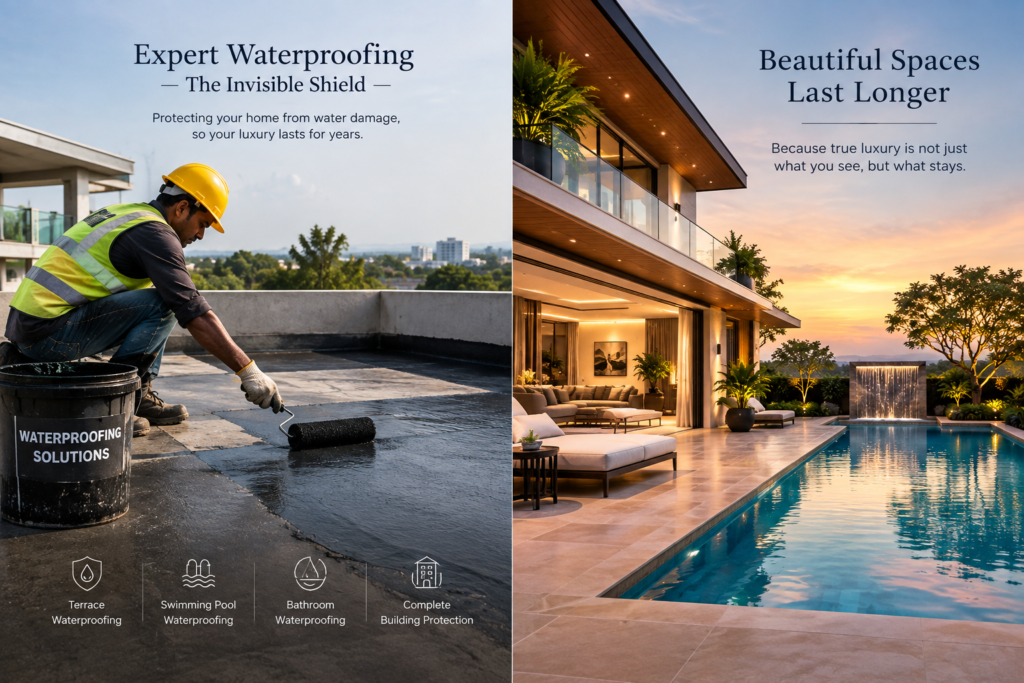
Expert waterproofing application on a luxury home terrace and swimming pool

Built to Last: The Hidden Importance of Expert Waterproofing in Luxury Homes

Luxury is easy to notice. You see the marble flooring, the dramatic lighting, the landscaped garden, the swimming pool, the beautiful facade and the carefully designed interiors. But some of the most important parts of a luxury home are the ones you never see. Waterproofing is one of them. A beautifully designed home can look perfect on the day of handover, but its real quality becomes clear years later. When monsoon rain arrives, when a terrace faces months of sunlight and moisture, when a bathroom is used every day, or when a swimming pool is constantly exposed to water, the construction beneath the finishes has to perform. That is why waterproofing should never be treated as a small construction detail. It is part of what makes a luxury home built to last. At GBS Creative Pvt. Ltd., based in Ranchi, Jharkhand and working across India, waterproofing is considered alongside construction, interiors, landscapes, swimming pools, water features and other elements of the property. The company describes its construction approach as combining robust engineering with refined craftsmanship, including waterproofing and high-performance materials. Why Waterproofing Matters More Than You Think Water rarely announces a problem immediately. A small crack may appear harmless. A little dampness on a wall may seem manageable. A minor stain on the ceiling might be painted over. But moisture can travel through materials and gradually affect finishes, walls, ceilings, flooring and structural elements. By the time water damage becomes visually obvious, the original source may be somewhere completely different. This is what makes waterproofing so important. It is not simply about stopping visible water. It is about controlling moisture before it becomes a long-term construction problem. Luxury Materials Deserve Proper Protection Luxury homes often use premium materials. Natural stone, wooden finishes, designer wallpapers, expensive flooring, custom furniture and detailed false ceilings can completely transform a space. But many of these finishes depend on the condition of the building underneath them. Imagine spending weeks selecting the perfect marble for your bathroom, only to discover moisture-related staining later. Or installing a beautifully designed wooden ceiling below a terrace where water has slowly started penetrating. The finish may be expensive, but the real protection begins much deeper. Good waterproofing creates a protective layer between the building and one of its biggest environmental challenges: water. The Terrace Is One of the Most Important Areas A luxury terrace may look simple from above. But it is constantly exposed to weather. Rainwater, heat, temperature changes, drainage issues and surface movement can all put pressure on the waterproofing system. This becomes especially important in Indian conditions, where seasonal rainfall can be intense. A terrace also needs to do more than keep water out. It needs proper slope and drainage so that water does not remain trapped on the surface. The waterproofing system, screed, surface finish, drainage points and detailing around edges and penetrations all need to work together. This is why waterproofing should be considered during construction rather than treated as a repair after problems appear. Bathrooms Need More Than Beautiful Tiles Bathrooms are another area where waterproofing often stays hidden until something goes wrong. Water reaches floors, walls, shower areas, corners and plumbing penetrations every day. A luxury bathroom may have beautiful stone, large-format tiles, glass partitions and sophisticated fixtures, but all of that depends on what sits behind the finished surface. Proper waterproofing should account for wet areas, junctions, corners, pipe penetrations and drainage. The objective is simple: Keep water where it belongs. When waterproofing and drainage are planned correctly, the beautiful finishes above them have a much better chance of remaining beautiful for years. Balconies and Outdoor Areas Need Attention Too Balconies may appear smaller than terraces, but they face many of the same problems. Rainwater can collect around edges. Poor drainage can lead to standing water. Water can enter through joints and cracks. The connection between the balcony slab and external wall needs careful detailing. In a luxury home, balconies are often connected directly to bedrooms, living rooms or private outdoor lounges. That makes moisture protection even more important. A well-designed outdoor space should be enjoyable—not something that creates maintenance problems inside the house. Waterproofing Becomes Even More Important Around Swimming Pools A swimming pool is one of the most water-intensive features you can add to a property. The pool structure, surrounding deck, plumbing, filtration system, drainage and finishes all need to work together. Waterproofing is therefore not simply about applying a coating to the pool. It is part of a larger system. At GBS Creative, swimming pool planning and construction includes structural requirements, filtration, waterproofing, plumbing, lighting and finishing considerations. This integrated approach matters because a pool does not exist independently from the property around it. The surrounding deck needs to handle water. Drainage needs to move water away efficiently. The pool structure needs to contain water reliably. Connections and penetrations need careful attention. And the landscape around the pool needs to be planned with water movement in mind. Water Features Need Waterproofing Too Pools are not the only water elements found in luxury properties. Modern homes increasingly include: These features can become incredible architectural focal points. But water that is intentionally introduced into a property must be controlled intentionally as well. GBS Creative’s aqua-design services include swimming pools, sculptural water features, fountains and ponds, with hydraulic design, filtration, lighting and finish materials considered as part of the overall solution. A beautiful water feature should create atmosphere—not hidden moisture problems around the surrounding construction. Waterproofing Is Also Important in Landscaped Spaces Landscape design and waterproofing may not seem connected at first. They actually are. Consider a landscaped terrace. It may include planters, soil, irrigation, paving, drainage and seating areas. All of these introduce additional moisture into an area that is part of the building envelope. That means waterproofing and drainage need to be considered before the landscape is installed. GBS Creative’s terrace-gardening solutions specifically combine planting with waterproofing, drainage, lightweight soil systems and climate-appropriate landscaping. This is an important principle:

Built to Last: The Hidden Importance of Expert Waterproofing in Luxury Homes Read More »

Architectural lighting and custom fountain illuminating a luxury building and landscaped courtyard

The Unsung Hero of High-End Design: Architectural Lighting and Custom Fountains

A building can be beautifully designed during the day and still feel completely different after sunset. The stone facade becomes more dramatic. A landscape gains depth. Water begins to reflect the surrounding architecture. A statue that looked ordinary in daylight can suddenly become the focal point of an entire space. What changed? The architecture did not. The lighting and water experience did. This is why architectural lighting and custom fountains are often the unsung elements of high-end design. They may not always be the first things people notice when a project is being planned, but they can completely change how a building, landscape, entrance, courtyard, hotel, institution, temple, commercial property or public space is experienced. At GBS Creative Pvt. Ltd., based in Ranchi, Jharkhand and working across India, lighting and water features are treated as part of a larger design ecosystem. Our work brings together architecture, interior design, landscape design, swimming pools, ponds, fountains, construction and lighting to create spaces that work as one complete experience. Why Lighting and Water Features Matter in High-End Design Luxury design is not simply about expensive materials. It is about creating an experience. A beautifully finished facade can look flat without the right illumination. A landscaped courtyard can feel incomplete without movement or sound. An entrance can become much more memorable when a custom fountain creates a visual and acoustic focal point. Lighting and water solve these problems in different but complementary ways. Lighting reveals. Water animates. Lighting highlights texture, depth, form and architectural details. Water introduces movement, reflection and sound. When the two are designed together, an ordinary space can become an immersive environment. Architectural Lighting: The Layer That Brings Buildings to Life Architectural lighting is much more than installing lights on a building. It is about deciding what should be seen, how it should be seen and what the building should communicate after dark. A facade might need subtle warm-white illumination to reveal stonework. A contemporary commercial building might benefit from clean linear lighting. A monument may require carefully controlled uplighting. A temple or heritage structure may need a combination of warm architectural illumination and dynamic RGBW lighting for special occasions. The lighting strategy changes according to the architecture. GBS Creative’s architectural lighting solutions are designed for applications including building facades, institutions, heritage structures, campuses, civic spaces, monuments, landscapes and public infrastructure. Its lighting approach combines visual impact with outdoor reliability, precision optics and flexible installation. Facade Lighting Can Change the Identity of a Building A facade is the face of a building. During daylight, its identity comes from materials, proportions, windows, textures and architectural details. At night, lighting becomes responsible for revealing those elements. Effective facade lighting can create: GBS Creative’s Arcus Prime architectural facade lighting solution is designed for applications requiring controlled architectural illumination, with RGBBW colour capability, IP66/IP67 outdoor protection, precision optics and flexible installation options. The objective is not to make every part of a building equally bright. It is to make the right parts visible. From Homes to Heritage Buildings, Every Structure Needs a Different Lighting Language Architectural lighting is not restricted to luxury residences. It can transform: Residential Villas Lighting can highlight facades, entrances, gardens, balconies, pathways, pools and outdoor living areas. Hotels and Resorts Lighting helps create a welcoming arrival experience while extending the usable atmosphere into outdoor dining, pools, gardens and leisure areas. Hospitals and Institutions Here, lighting must balance aesthetics with safety, navigation, comfort and reliability. Temples and Religious Buildings Lighting needs to respect architectural character while highlighting domes, columns, carvings and other details. Heritage Structures and Monuments The goal is generally to reveal architectural craftsmanship without overpowering the historical character of the structure. Campuses and Commercial Properties Lighting can strengthen identity while improving movement, safety and nighttime visibility. Railway Stations and Public Infrastructure Large public environments require careful attention to durability, visibility, operational requirements and maintenance. GBS Creative’s architectural lighting portfolio reflects this wider application of lighting across buildings, monuments, campuses, civic environments and public infrastructure. Custom Fountains: When Water Becomes Architecture A fountain should not simply be considered a decorative water feature. A well-designed custom fountain can become part of the architecture itself. Think about the entrance of a hotel. Instead of arriving at a plain driveway, visitors approach through a landscaped entrance where water moves gently across a sculptural fountain. Light catches the moving surface after sunset. The sound of water creates a softer transition between the road and the building. That fountain has become part of the identity of the property. GBS Creative’s Aqua Designs cover sculptural water features, fountains, ponds, swimming pools and related water systems, with attention to hydraulic design, filtration, lighting, finish materials, automated controls and water management. The Right Fountain Depends on the Space There is no single fountain style that works everywhere. A compact courtyard may benefit from a quiet bubbling feature. A luxury hotel entrance may need a large architectural fountain. A public plaza might use a programmable water installation. A landscaped garden may suit a natural-looking cascading feature. A commercial property may require a fountain that works as a strong visual landmark. The design should consider: The fountain should feel as though it belongs to the architecture rather than being placed there afterward. Lighting + Fountain Design: Where the Magic Happens This is where the two disciplines become particularly powerful. Imagine a fountain during the day. You see water moving. Now imagine the same fountain after sunset. Warm light catches the edges of the water. Reflections move across nearby walls. The fountain becomes visible from a distance. The sound of water remains constant while the lighting changes the visual character. This is why fountain lighting should be considered during fountain design, not after construction. The position of underwater lights, beam angles, water jets, fountain materials and viewing points all influence the final effect. GBS Creative’s aqua approach specifically considers lighting alongside hydraulic systems, filtration and finishes, helping water features function as both engineered systems and visual elements. Pools, Ponds and Fountains

The Unsung Hero of High-End Design: Architectural Lighting and Custom Fountains Read More »

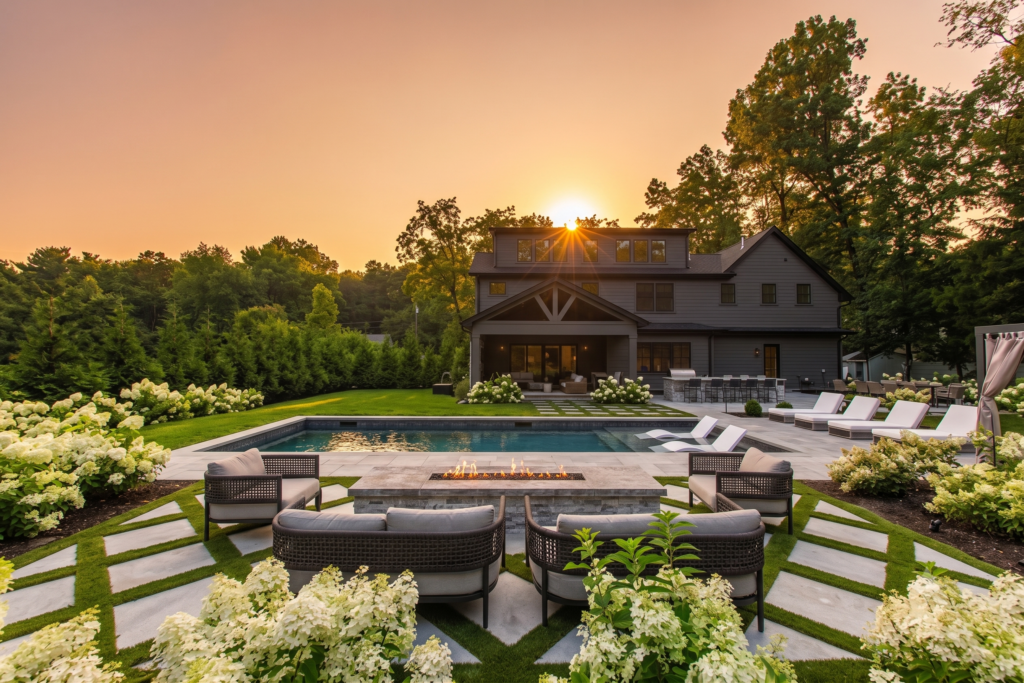
Resort-style backyard with swimming pool, landscaped garden, outdoor lounge, pond, fountain and architectural lighting by GBS Creative

Bringing the Inside Out: Designing a Resort-Style Backyard and Pool

What if your backyard felt less like an outdoor area and more like your favourite resort? Imagine stepping through your living room onto a shaded deck. The pool is just beyond it, surrounded by greenery. A soft breeze moves through the plants. Warm lights reflect across the water, while a comfortable lounge area makes you want to stay outside long after dinner. That is the idea behind a resort-style backyard. It is not simply about installing a swimming pool or adding expensive furniture. A successful outdoor space connects architecture, interior design, landscape, lighting, water features, and everyday living into one continuous experience. At GBS Creative Pvt. Ltd., based in Ranchi, Jharkhand and serving projects across India, we approach outdoor spaces as extensions of the architecture rather than separate areas. Our work combines Residential interior design, Commercial-interiors,landscape design, swimming pools, ponds, fountains, lighting, construction, and outdoor lifestyle spaces to create environments that feel complete. What Does “Bringing the Inside Out” Actually Mean? The boundary between indoor and outdoor living is becoming increasingly flexible. A living room can open directly onto a pool deck. A dining area can overlook a landscaped courtyard. A bedroom can frame a koi pond. A rooftop can become an outdoor lounge. The goal is to make the transition feel natural. Think about the materials you already use inside your home. If the flooring, colours, furniture style, lighting temperature, and architectural details continue outside, the two spaces immediately feel connected. This is where interior design and landscape design need to work together. For example, a contemporary living room with large glass doors may work beautifully with a minimalist pool, clean stone paving, architectural planting, and concealed outdoor lighting. A more traditional home may suit natural stone, lush planting, a fountain, and warmer materials. The backyard should feel like another room of the house—just without a roof. Start With the Pool, But Don’t Design Only the Pool A swimming pool is often the visual anchor of a resort-style backyard. But one common mistake is designing the pool first and trying to fit everything else around it later. Instead, consider the complete experience: GBS Creative’s swimming pool services cover pool design, construction, and maintenance, with planning that considers structural requirements, filtration, waterproofing, lighting, finishes, and surrounding landscape. If you are comparing different pool concepts, understanding the relationship between pool shape, property size, lifestyle, and surrounding architecture is essential before construction begins. Create an Outdoor Living Room A resort-style backyard should not end at the edge of the pool. Create zones. One area might be for swimming. Another could be an outdoor dining space. A shaded lounge can become the place for morning coffee, while a fire or feature-lighting zone can create a completely different atmosphere in the evening. Outdoor furniture should also be selected according to the environment. Materials need to withstand sunlight, moisture, rain, and temperature changes. Pergolas, covered seating, outdoor kitchens, bar counters, daybeds, and lounge furniture can make the backyard functional throughout the day. This is where the concept of bringing the inside out becomes practical rather than purely visual. Landscape Design Makes the Pool Feel Like a Resort A pool without landscaping can sometimes feel like an isolated construction element. Plants soften the hard edges. Trees provide shade. Layered planting creates privacy. Ground covers connect different zones. Architectural plants can frame the pool while leaving clear sightlines. The right landscape also changes throughout the year, giving the backyard a living quality. GBS Creative’s landscape approach combines planting, hardscape, irrigation, lighting, seating areas, and water or fire features so the exterior works as one environment. For properties in Ranchi and other parts of India, plant selection should also consider the local climate, maintenance requirements, sunlight, drainage, and available space. Add a Pond for a More Natural Resort Experience Not every water feature needs to be a swimming pool. A koi pond, decorative pond, or reflective water feature can introduce a completely different mood. Imagine looking from your living room toward a softly illuminated pond surrounded by planting. The movement of fish, reflections on the surface, and gentle sound of water create a sense of calm that a conventional garden may not provide. Ponds can also help connect the architecture with nature. For larger landscapes, a pond can become a secondary focal point away from the pool. This creates multiple experiences within the same property rather than making the entire backyard revolve around one feature. GBS Creative’s pond and aquascape solutions can integrate ponds, water features, filtration, lighting, and surrounding landscape as part of a broader outdoor design. Fountains Add Movement and Sound One of the reasons resorts feel relaxing is the soundscape. You hear water moving before you necessarily notice where it is coming from. A fountain can introduce that same experience into a private property, hotel, villa, commercial development, or landscaped courtyard. A simple bubbling feature can work in a compact garden. A larger architectural fountain can become a statement piece near an entrance or poolside lounge. The important thing is proportion. A fountain should complement the architecture rather than compete with it. Lighting Is What Makes the Backyard Work at Night A resort-style backyard should not disappear when the sun goes down. In fact, nighttime can be when the design becomes most impressive. Consider what happens when warm lighting is introduced: The pool begins to glow. Trees become silhouettes. Pathways become easier to navigate. The architecture receives a soft wash of light. Water reflects the surrounding illumination. The lounge becomes an inviting evening destination. This is why landscape lighting, pool lighting, facade lighting, pathway lighting, and architectural lighting should be considered during the design stage rather than added as an afterthought. GBS Creative provides integrated lighting solutions designed to enhance architecture, landscape, pools, ponds, fountains, and outdoor spaces. Its lighting capabilities include façade illumination, pathway lighting, accent lighting, underwater lighting, and dynamic RGBW solutions. The result should not simply be a bright backyard. It should be a backyard with layers of light. Connect the

Bringing the Inside Out: Designing a Resort-Style Backyard and Pool Read More »