
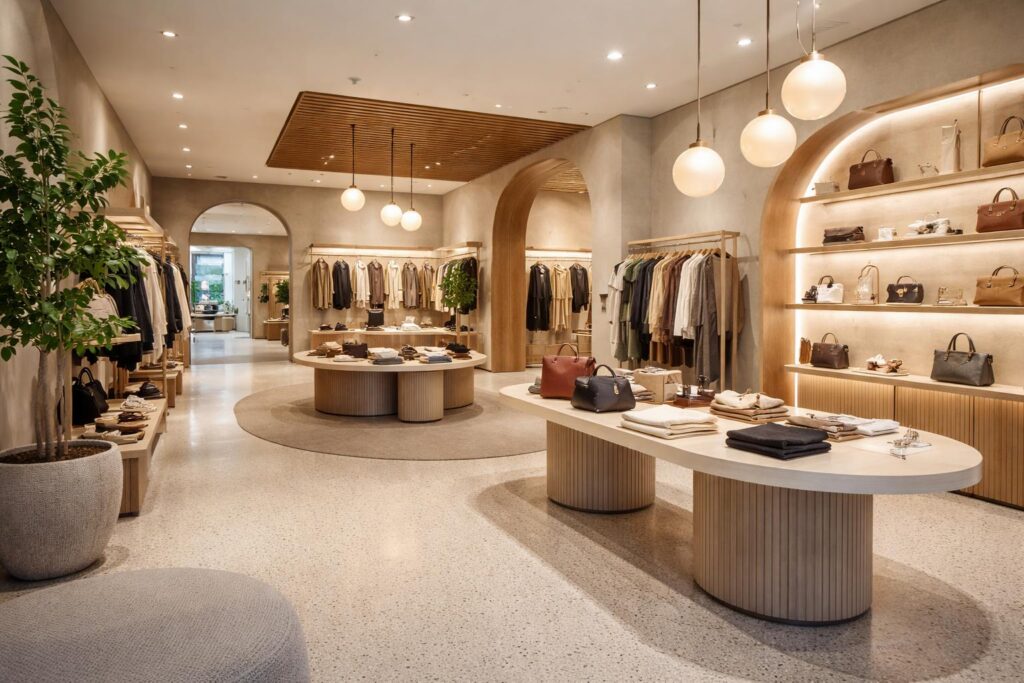
Designing for Impact: Elevating Retail and Hospitality Spaces
Think about the last time you walked into a hotel lobby, a beautifully designed restaurant or a retail store that immediately caught your attention. Perhaps the lighting made the space feel welcoming. Maybe the materials looked refined, the layout felt effortless, or a striking feature wall made you pause for a moment. You might not have noticed every design decision, but you probably felt the difference. That is the power of thoughtful commercial interior design. Retail stores and hospitality spaces are more than physical locations. They represent brands, influence customer perceptions and shape the experiences people remember. A store should make products easy to discover. A restaurant should encourage guests to feel comfortable. A hotel should create a sense of welcome from the moment someone enters. Great retail and hospitality interior design turns a business space into an experience that people want to explore, enjoy and remember. At GBS Creative Pvt. Ltd., based in Ranchi, Jharkhand, the approach to commercial design brings together interiors, architecture, lighting, construction and landscape elements to create spaces that balance visual appeal with practical functionality. Why Retail and Hospitality Design Matters A commercial space communicates with customers before a conversation even begins. In retail, the entrance, display arrangement, colours, lighting and circulation influence how people explore the store. In hospitality, the reception, seating, ambience, materials and overall atmosphere help establish expectations about the experience ahead. Consider two restaurants offering similar menus. One has uncomfortable seating, harsh lighting and a confusing layout. The other has carefully positioned tables, warm lighting, comfortable movement and an inviting atmosphere. The food might be equally good, but the overall experiences can feel very different. Interior design cannot guarantee commercial success on its own. However, a well-planned environment can support customer comfort, strengthen brand identity and make daily operations more effective. Design Around the Customer Experience Before choosing furniture, colours or decorative features, understand how customers will use the space. This is the foundation of effective retail and hospitality interior design. For a retail store, consider the customer journey from the entrance to product displays, fitting rooms, consultation areas and checkout. For a hotel, think about how guests move from the entrance to reception, waiting areas, lifts, rooms and dining spaces. For a restaurant, consider how guests arrive, find their tables, interact with staff and move through the dining area. Each journey should feel intuitive. A few important questions can guide the planning process: When these details are addressed early, the design becomes more than an attractive arrangement of furniture. It becomes a space that works. Create a Strong First Impression The entrance is often the first physical interaction a customer has with a business. For a retail store, it may communicate the brand’s personality and give visitors a preview of the products inside. For a hotel, it can establish a feeling of elegance, relaxation or contemporary sophistication. For a restaurant, it can create curiosity about the dining experience. A successful entrance does not necessarily require an enormous reception or expensive materials. It needs a clear identity and thoughtful composition. Consider a combination of architectural detailing, a well-positioned sign, attractive lighting, carefully selected materials and a layout that welcomes visitors. A feature wall can provide a visual anchor. A sculptural light fitting can create interest. A view toward a courtyard or landscaped entrance can make the space feel more open. The strongest entrances are designed to suit the brand rather than follow every passing trend. Retail Interior Design Should Make Products Stand Out In retail environments, the design must support the products being sold. A luxury fashion boutique, an electronics showroom, a furniture store and a jewellery retailer all have different requirements. A fashion store may benefit from flexible displays, flattering lighting and clear circulation. An electronics showroom needs space for demonstrations, product comparison and customer assistance. A furniture showroom may require larger display zones that help customers imagine products in their own homes. A jewellery store may need carefully controlled lighting, secure displays and private consultation areas. The design should guide attention without overwhelming the products. Display heights, sightlines, circulation routes, storage and lighting all influence how customers experience the merchandise. The objective is simple: help customers explore the space comfortably while making the products easy to understand and appreciate. Hospitality Spaces Need the Right Atmosphere Hospitality design is closely connected to how people feel inside a space. A hotel lobby may need to accommodate arrivals, waiting, informal meetings and guest services simultaneously. A fine-dining restaurant might require a more intimate atmosphere, while a casual café may benefit from an open, relaxed arrangement. A resort could combine indoor lounges with landscaped courtyards, swimming pools and outdoor dining areas. Each setting needs a different design approach. Materials, furniture, acoustics, lighting and spatial proportions should support the intended experience. For example, comfortable seating and softer lighting may suit a lounge, while brighter task lighting may be more appropriate for service areas. A restaurant also needs practical consideration of table spacing, staff circulation, cleaning, ventilation and operational requirements. Beautiful design matters, but it should never make the business difficult to operate. Lighting Can Transform the Entire Space Lighting is one of the most influential elements in commercial interior design. It affects how materials appear, how products are presented and how comfortable a space feels. In retail, lighting can draw attention to merchandise, highlight display features and create a clear visual hierarchy. In hospitality, it can establish different moods across reception areas, restaurants, lounges and guest spaces. A thoughtful lighting plan often combines several layers: Colour temperature, glare control, brightness and energy efficiency should also be considered. GBS Creative offers lighting solutions for interior and exterior environments, including architectural and accent lighting. Integrating lighting with the interior concept helps the finished space feel cohesive rather than assembled from unrelated elements. Choose Materials That Balance Luxury and Durability Retail and hospitality environments experience regular foot traffic, cleaning, spills and everyday wear. That makes material selection especially important. A surface may look beautiful in a
Designing for Impact: Elevating Retail and Hospitality Spaces Read More »